Lung regeneration and disease - Dost Group
Lung diseases are among the leading causes of death worldwide with rising incidence. Understanding how lung stem cells respond to injury and disease is fundamental to advancing regenerative medicine and developing targeted therapies.
In the Dost lab, we focus on the advancement and application of primary human alveolar and airway organoid models to study the cellular and molecular mechanisms governing lung epithelial regeneration and disease progression. Our aim is to uncover new therapeutic avenues to unlock endogenous lung regeneration in lung pathologies such as chronic obstructive pulmonary disease (COPD).
Understanding factors that impair alveolar regeneration in chronic lung disease
COPD with emphysema is characterized by the progressive destruction of alveolar structures. The capacity for alveolar regeneration in emphysema is poorly understood but appears to be very limited. One reason for the impaired epithelial repair is the COPD environment. Besides extrinsic factors, there is also evidence for aberrant epigenetic alterations that may represent intrinsic factors that drive the disease phenotype. We seek to disentangle extrinsic and intrinsic factors driving epithelial dysfunction in COPD. Identifying these regeneration barriers is essential for devising targeted therapies to rebuild lung architecture and function.
Identifying compounds that promote endogenous alveolar regeneration
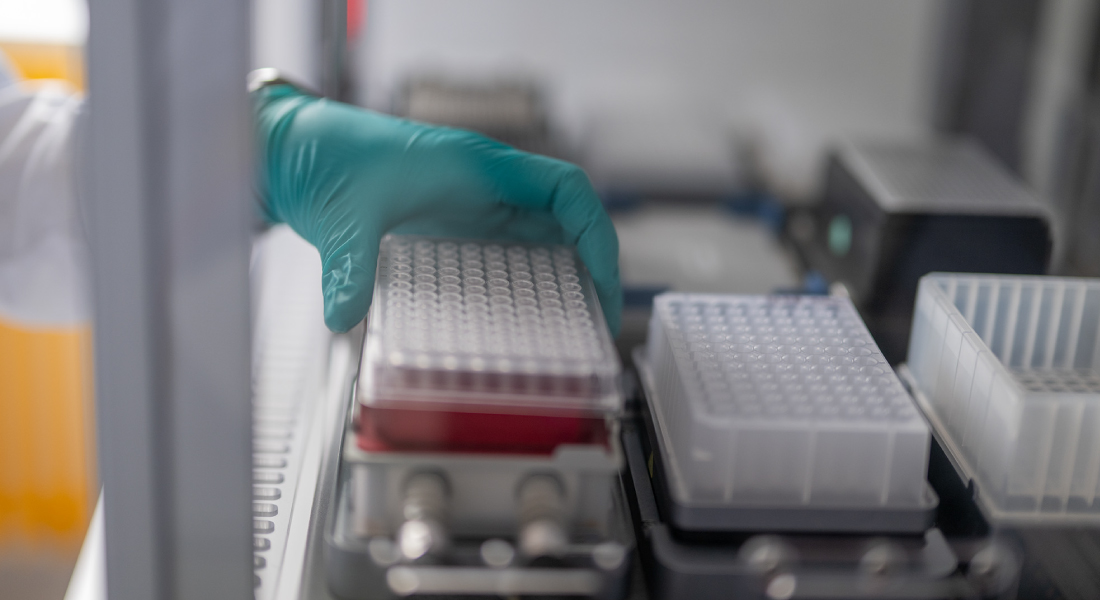
COPD lacks effective treatments that directly address alveolar epithelial dysfunction. In particular, strategies aimed at restoring epithelial repair capacity remain underdeveloped. We will make use of our alveolar organoid model and high-throughput drug screening to identify compounds that enhance alveolar progenitor proliferation and differentiation. Using this unbiased approach, we aim to uncover new targets of alveolar regeneration with the goal to translate hits for clinical applications in the future.
Studying genetic risk variants of chronic lung disease
Genome-wide association studies have identified multiple genetic variants associated with an increased risk of developing COPD and other chronic lung diseases. Interestingly, many of these variants are also independently correlated with lower lung function. However, these observations remain correlative, and functional studies are lacking for most of these variants. Understanding how these risk variants affect different lung epithelial cell types will help enable the development of preventive and acute interventions in risk variant carriers.
List of publications by Antonella Dost
Selected publications
-
Dost AFM, Balážová K, Pou Casellas C, van Rooijen LM, Epskamp W, van Son GJF, van de Wetering WJ, Lopez-Iglesias C, Begthel H, Peters PJ, (…), Clevers H. (2026) Interferon-γ selectively promotes survival of alveolar progenitor cells in a human lung organoid model. The EMBO Journal 2026: 1–32
-
van der Koog L, Showell HRD, Nugraha DF, Lehmann M, Conlon TM, Yildirim AÖ, Fuentes-Mateos R, Baarsma H, Ng-Blichfeldt JP, Melgert BN, (…), Dost AFM, (…), Gosens R (2026) Regenerative therapeutics for chronic obstructive pulmonary disease. Pharmacol Rev 78
-
Lin L, Pou Casellas C, Dost AFM, Begthel H, Korving J, van den Brink S, Dayton T, van Oosterhout MFM, Smakman N, Thomann L, (…), Clevers H (2025) Human airway submucosal gland organoids to study respiratory inflammation and infection. Cell Stem Cell 32: 1170-1182.e7
-
Moye AL, Dost AFM, Ietswaart R, Sengupta S, Ya VN, Aluya C, Fahey CG, Louie SM, Paschini M & Kim CF (2024) Early-stage lung cancer is driven by a transitional cell state dependent on a KRAS-ITGA3-SRC axis. EMBO J 43: 2843–2861
-
Dost AFM, Moye AL, Vedaie M, Tran LM, Fung E, Heinze D, Villacorta-Martin C, Huang J, Hekman R, Kwan JH, (…), Kim CF (2020) Organoids Model Transcriptional Hallmarks of Oncogenic KRAS Activation in Lung Epithelial Progenitor Cells. Cell Stem Cell 27: 663-678.e8
The lab is well connected to the European Respiratory Society and the COPD iNET.
Past funding included
- Boehringer Ingelheim Fonds PhD fellowship
- RESPIRE4 ERS/ Marie Skłodowska-Curie postdoc fellowship
- BREATH consortium (Longfonds/Dutch lung foundation)
-
Primary adult human organoids: Long-term culture of alveolar and airway organoids derived from human tissue in defined media conditions
-
Genetic engineering: Next-generation CRISPR-technologies, such as base editing and CRISPaint/CRISPR-HOT
-
Bioinformatics: Bulk and single cell RNA-Sequencing
-
Imaging: Confocal fluorescence microscopy on whole mount stained organoid
-
High-throughput drug screening: Using large drug libraries