
Marie-Curie Skłodowska fellowship to explore how early embryos fuel their first days of life
Challenges related to fertility are becoming more prevalent and in vitro fertilisation (IVF) plays a crucial role for many families hoping to conceive. In Denmark alone, around 8 to 12 percent of babies are born with the help of reproductive technologies. Yet the first days of embryo development remain a ''black box'' in reproductive biology. To uncover what is happening inside this box, Dr. Johanna Gassler from reNEW Copenhagen has been awarded a prestigious Marie Skłodowska-Curie Fellowship. Her project received the maximum score of 100, placing it among the top-ranked submissions in this year’s call.
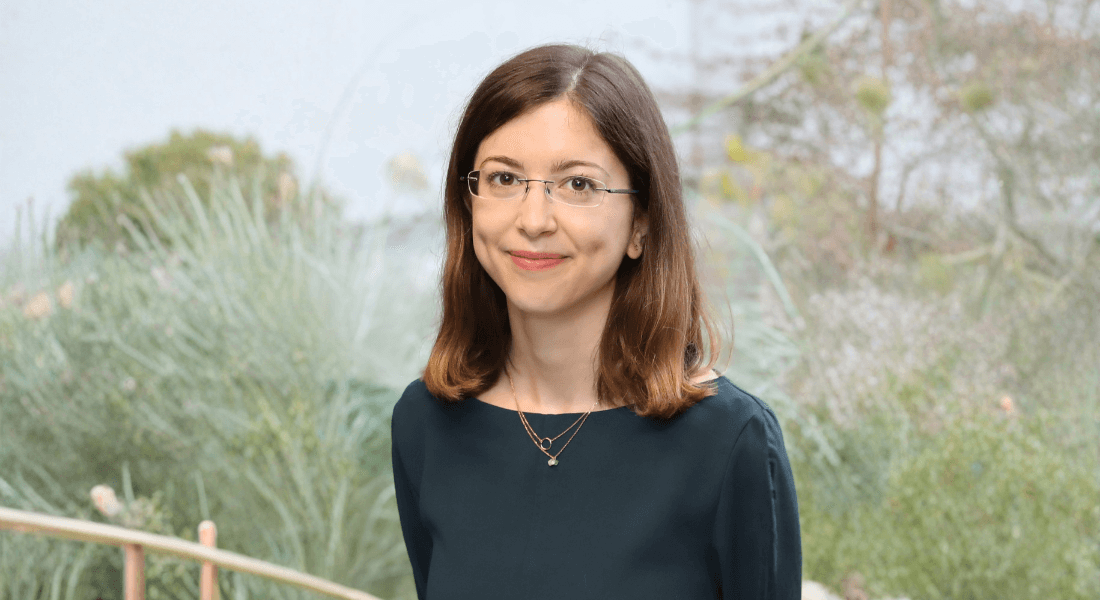
Every embryo starts from a single fertilised egg. During the first days, the embryo travels through the oviduct and uterus and is exposed to different sets of nutrients in this changing environment. At the same time, nutrient reserves are stored in the egg before fertilisation. While scientists know this early stage of life is critical, there still is a lack of understanding about how the embryo uses these stored maternal nutrients or when it starts depending on specific external nutrients. Gassler’s project will investigate how these maternally stored nutrients and metabolic enzymes contribute to activating the embryo’s initial metabolic state, and pinpoint when the embryo starts to establish its own metabolism.
“What I really like about the Marie‑Curie Fellowship is that it allows room for training as well as the scientific project. Within this work and making use of reNEWs exchange program, I will be able to visit our collaborators at the Leiden node and learn from them. It’s a pretty amazing opportunity, because it allows me to really dive into my project, and it also gives me the chance to build my own niche as an independent scientist,” Gassler said.
The MALDI MSI technique allows scientists to map where metabolites are located within early embryos. “With this technique, we can now see what metabolites the embryo is using and at what stage. That level of detail simply wasn’t possible before,” states Gassler.
While her research is fundamental in nature, it lays out the groundwork for future translational studies. A deeper understanding of how embryos use nutrients in their very first days could help refine IVF culture media. Ultimately, these insights will improve treatments and their success rates and reduce the emotional and physical burden faced by millions of families worldwide.