
Mapping neuron complexity to tackle Parkinson’s at its earliest stage
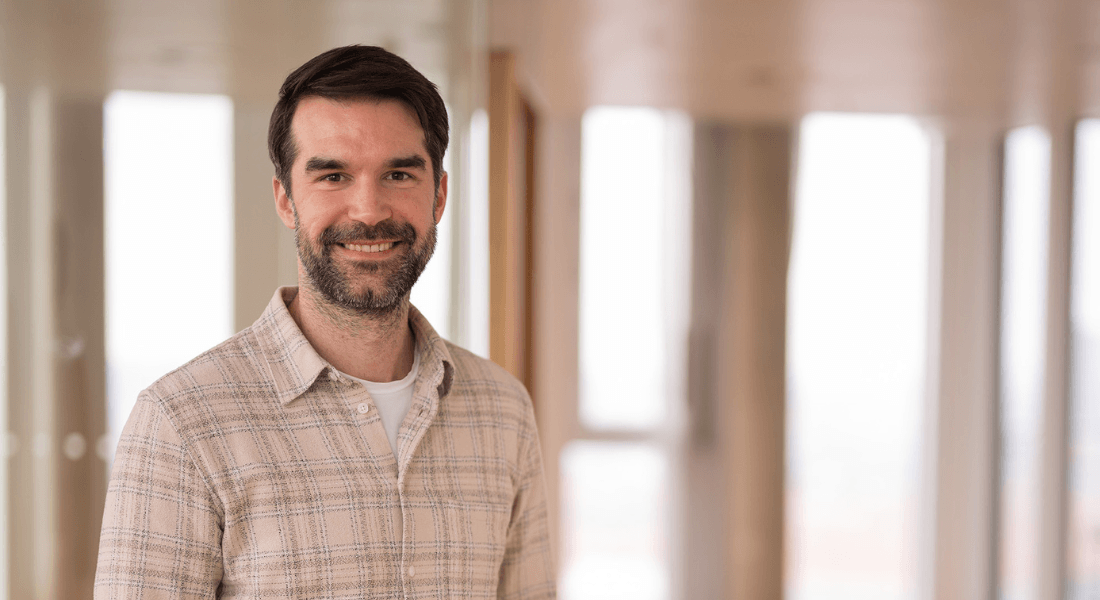
When Parkinson’s disease is diagnosed, many dopamine-producing neurons are already severely depleted. Once neurons are lost, they cannot regenerate, and treatment options become limited. To better understand the earliest stages of the disease, Dr. Janko Kajtez from reNEW Copenhagen will develop a human stem cell-based model of these neurons as a Collaborative Research Network (CRN) Discovery Fellow by the Aligning Science Across Parkinson’s (ASAP) initiative.
The CRN Discovery Fellowship was created by ASAP in collaboration with its implementation partner, The Michael J. Fox Foundation for Parkinson's Research. This Fellowship establishes a strong, diverse, and global pipeline of the next generation of Parkinson's disease researchers. Each Fellow will benefit from collaboration, training, and mentorship within CRN teams and across the network to drive bold and creative projects in the field.
“The future of Parkinson’s disease begins with supporting the people behind the work, especially researchers who are early in their careers,” says Sonya Dumanis, PhD, Managing Director of ASAP. “The CRN Discovery Fellowship provides the bridge to independence for 23 exceptional Fellows, giving them the opportunities to take on bold, collaborative projects that will ultimately shape how we understand and treat this disease.”
Parkinson's disease is a progressive brain disorder that primarily affects movement. Dopaminergic neurons release dopamine to control movement, but maintaining their networks requires enormous energy. Each neuron has long, highly branched axons, like the roots of a tree, that spread across a large target brain region and repeatedly fire to supply dopamine throughout this expansive network. This combination of structural complexity and continuous activity places the neurons under constant metabolic stress, making them vulnerable to degeneration.
Current models capture some aspects of the disease but fall short of reproducing these critical features. Kajtez’s project focuses on the neurons’ extreme axonal length, branching complexity, and sustained activity. Using stem cell biology and bioengineering, he will drive neurons to develop longer, more complex axons while maintaining high levels of activity. The goal is to see whether this complexity and metabolic demand make the neurons more vulnerable to degeneration. If confirmed, it would support the idea that the stress these neurons live under plays a key role in the progression of Parkinson’s disease.
One of the major challenges in Parkinson’s research is translating findings into effective treatments. Simplified models and animal studies often fail to replicate the disease’s full complexity, limiting the success of clinical trials. By modeling the disease at an early stage, when neurons are impaired but still alive, the project aims to explore ways to preserve them. “Targeting neurons at this stage could potentially slow disease progression,” says Kajtez. “Once neurons are lost, therapies can only attempt to make up for what’s gone. If we understand the early causes, we can try to intervene before irreversible damage occurs.”
A unique feature of the CRN Discovery Fellowship is that it encourages co-mentorship from the Fellow’s home lab, where they currently conduct research, and a host lab, from another CRN team. This project is done in close collaboration with Dr. Agnete Kirkeby (CRN Team Jakobsson) at reNEW Copenhagen and Lorenz Studer (CRN Team Studer) at Memorial Sloan Kettering Cancer Center in New York. ‘‘This fellowship is an incredible opportunity,’’ says Kajtez. ‘‘It allows me to bridge the complementary expertise of both labs, collaborate with one of the leaders in the field and learn and master new techniques to build these sophisticated models. With the mentorship and resources that are part of the CRN Discovery Fellowship, I hone the skills needed to launch my independent career and help advance our understanding of Parkinson’s disease.’’
Ultimately, the goal is to establish a robust platform for studying human-specific disease mechanisms and screening potential therapies, with a focus on early-stage intervention. Over time, the platform could be scaled for drug screening, increasing the chances that promising discoveries will translate into the clinic. By bringing human brain circuitry into the dish, the project represents an important step toward earlier diagnosis, better treatments, and a deeper understanding of Parkinson’s disease and brain biology.