
Identifying the right cells
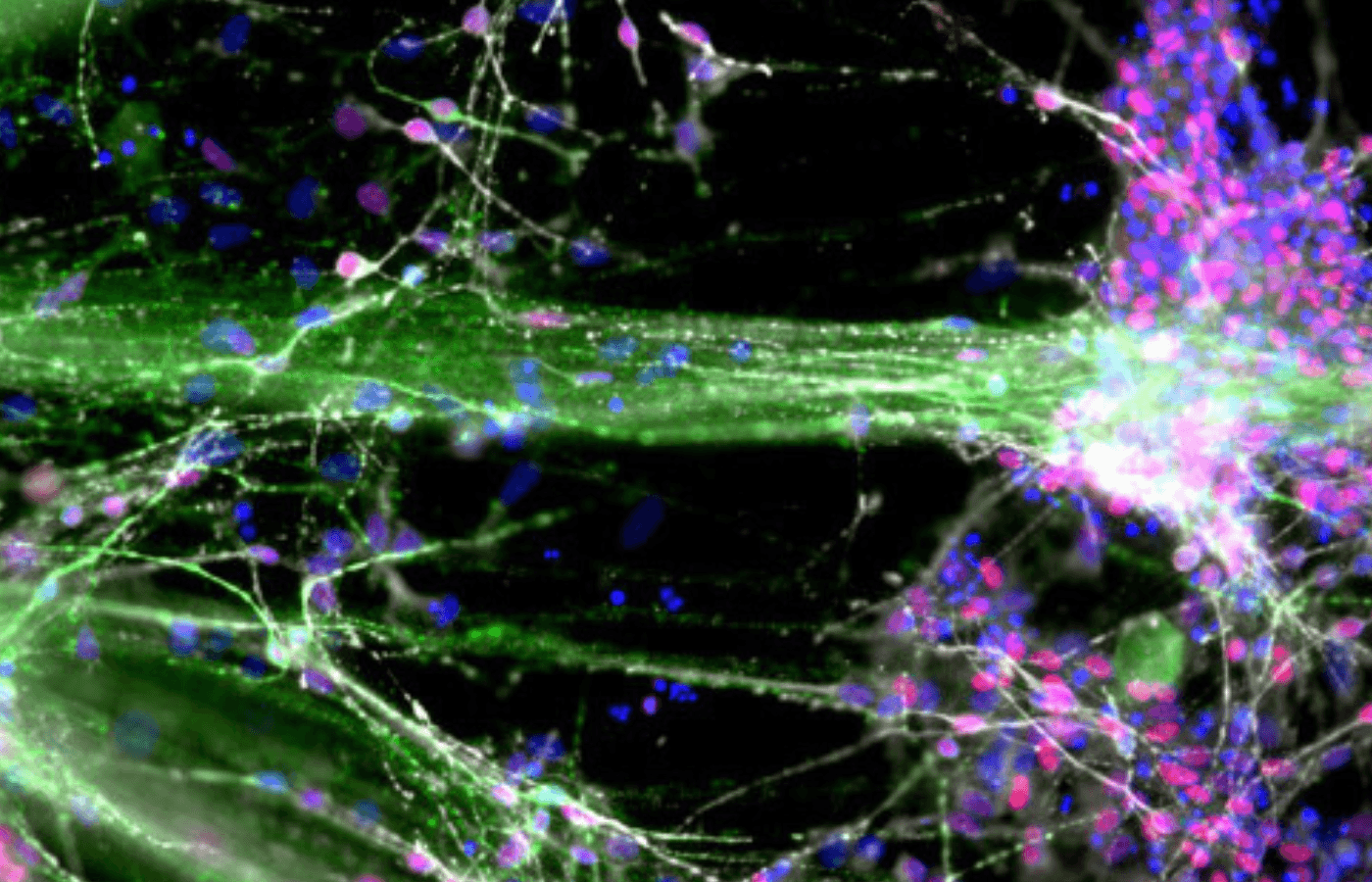
Parkinson’s disease is characterized by the progressive loss of dopamine-producing neurons in the brain, leading to debilitating motor symptoms. Stem cell-based therapies involving transplantation of new dopaminergic cells to the brain is emerging as a promising alternative to current treatments. A new study from Associate Professor Agnete Kirkeby’s group at reNEW Copenhagen, published in NPJ Parkinson’s Disease, reports the discovery and validation of APCDD1 as a highly specific cell surface marker for the therapeutic dopaminergic progenitor cells.
Several clinical studies are ongoing using dopamine-producing neurons generated from human pluripotent stem cells aiming to restore lost brain function in patients living with Parkinson’s disease. It is crucial to ensure that transplanted cell products contain the correct therapeutic cell types.
"One of the major challenges during manufacturing of cell therapies for Parkinson’s Disease is the requirement to be able to reliably and rapidly confirm the correct identity of the dopaminergic progenitors that give rise to functional dopamine neurons" explains Agnete Kirkeby. “In this study, we systematically compared 8 different cell surface markers to identify the best candidate for clinical quality control”
The research team found that the glycoprotein APCDD1 showed the highest specificity for the caudal ventral midbrain region, which is the developmental source of the dopamine-producing neurons. This was confirmed not only in fetal human brain tissue but also in stem cell-derived dopaminergic progenitor cell products.
Moreover, when stem cell-derived progenitor cells were sorted and separeted into APCDD1-positive and APCDD1-negative populations for transplantation into a rat model of Parkinson’s disease, the results were striking. Animals receiving APCDD1-positive cells showed substantial recovery of motor function, whereas animals receiving APCDD1-negative cells failed to achieve comparable improvement.
“Because APCDD1 is located on the cell surface and accurately identifies the dopaminergic progenitor cells needed, we believe it will become an important quality control tool for emerging clinical cell products aiming for testing in human trials,” says Alison Salvador from the research team.
Current quality control methods often rely on intracellular markers that requires cells to be fixed and permeabilized for detection. Using APCDD1 as a positive quality control marker, cell batches can be evaluated faster and without damaging the cells, hence making the manufacuring process more efficient, consistent, reproducible, and ultimately safer for the trial participants.
Read the article: APCDD1 shows high specificity for ventral midbrain dopaminergic progenitors in cell surface marker benchmarking study