
A milestone reached for Parkinson’s research with STEM-PD trial
The STEM-PD trial, the first European-based clinical trial of a pluripotent stem cell therapy for Parkinson's disease, has reached an important milestone. The trial group has now published 12-month primary safety endpoint data, confirming that the therapy is safe. Through PET imaging, the group further shows that the transplanted dopamine-producing cells have survived in patients’ brains.
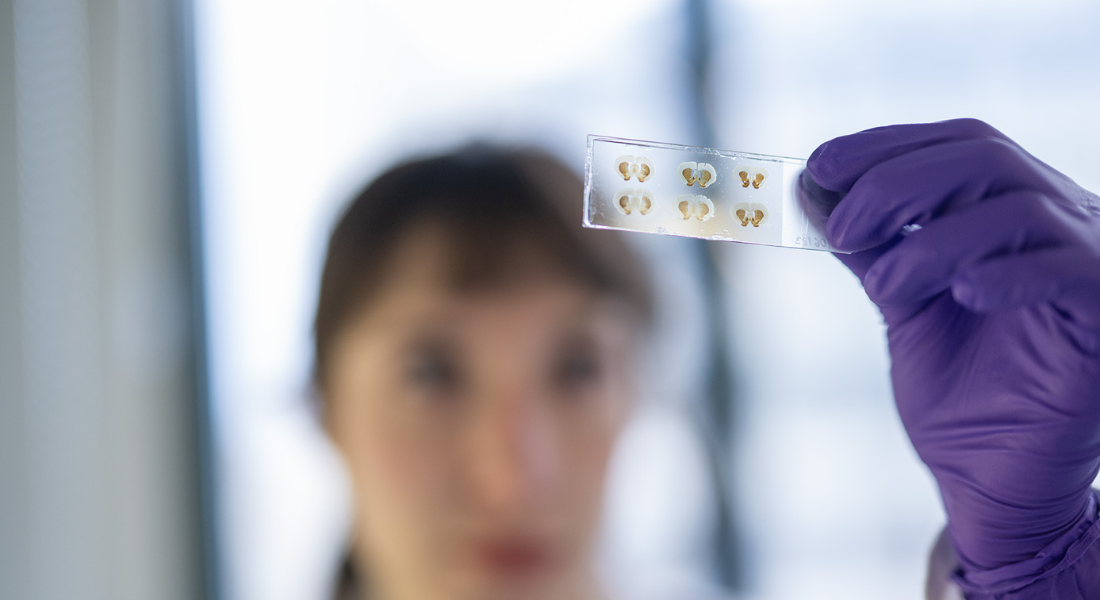
STEM-PD is being developed as a treatment for Parkinson's disease, in which the loss of dopamine-producing nerve cells leads to progressive motor symptoms such as rigidity, tremor and difficulty walking. The therapy works by transplanting new dopamine-producing nerve cells, developed from stem cells in the lab, directly into patients' brains, with the aim of restoring the brain's own dopamine production and reducing reliance on daily medication.
While the trial’s secondary efficacy endpoint will only be reached at 36 months post-transplantation, the data is encouraging. Six out of the seven completed participants in the trial show signs of reduced need for dopamine medication.
"It's been 17 years since we first started this project at Lund University, and it's a defining moment for us to present the first interim clinical results from our STEM-PD trial," says Kirkeby, who led the preclinical development of STEM-PD.
The STEM-PD trial has been performed as a collaboration between Lund University, Skåne University Hospital, University of Cambridge and Novo Nordisk. Associate Professor Agnete Kirkeby, from reNEW Copenhagen at the University of Copenhagen, worked alongside Professor Malin Parmar at Lund University and Professor Roger Barker at Cambridge University on the product’s preclinical development.
The 12-month safety results are especially important, as they allow the STEM-PD product to proceed to Phase II clinical trials. This phase will be led by Boston biotech company Cellular Intelligence, who acquired the development of STEM-PD in May this year.